/ ABOUT US
OUR COMMITMENT
Armundia Factory’s mission is to support the growth of its partners through technology. We do not simply deliver projects; we work alongside our clients, sharing their objectives.
By understanding their business, interpreting their needs, and aligning technology with their strategy, we develop solutions that create measurable business value.
Innovation is the driving force behind this commitment. It means anticipating technological evolution and applying it to our clients’ processes, transforming emerging technologies into tangible competitive advantages rather than innovation for its own sake.
By understanding their business, interpreting their needs, and aligning technology with their strategy, we develop solutions that create measurable business value.
Innovation is the driving force behind this commitment. It means anticipating technological evolution and applying it to our clients’ processes, transforming emerging technologies into tangible competitive advantages rather than innovation for its own sake.
Our Approach

DOMAIN EXPERTISE
Solutions are built around our clients’ business processes, not developed in isolation. A deep understanding of the domain is what enables technology to deliver real business impact.

Generative AI Tools
Generative AI is integrated as a development and analytical accelerator, enhancing productivity while remaining under human supervision and control.

Continuous Learning
We view skills development as a long-term investment. Ongoing training and continuous technology updates are embedded in our operating model.
Partnership with the University of Tirana
Our collaboration with the University of Tirana bridges academia and industry, helping young professionals enter the workforce while fostering a pipeline of highly qualified talent.
OUR LEADERSHIP
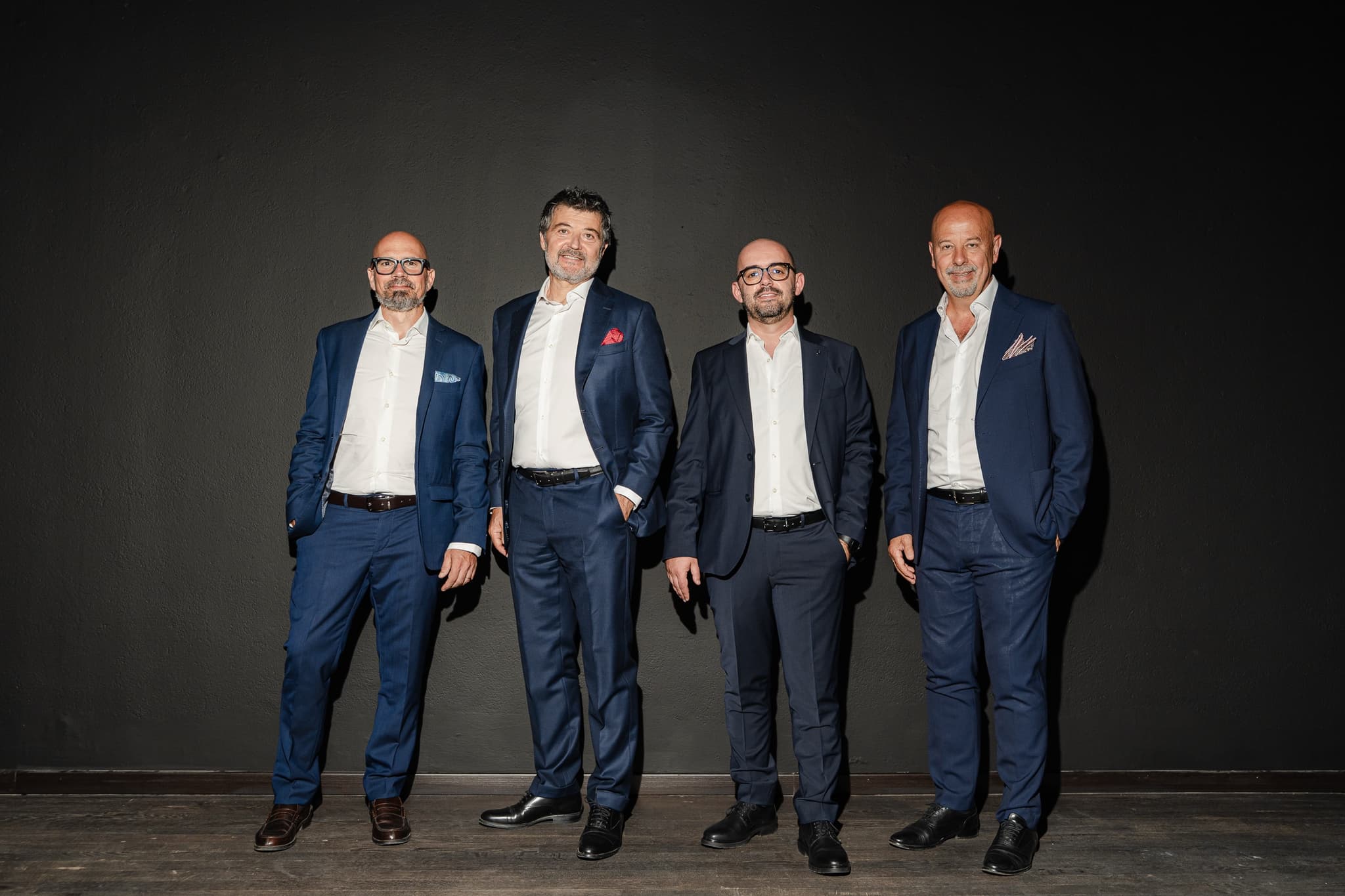
The leadership team of Armundia Factory blends technological excellence with a deep understanding of service delivery and digital transformation. With strong roots in the ICT sector and a vision oriented toward innovation, quality, and international growth, they guide the company’s evolution as a strategic hub for software development and BPO within the Armundia Group.
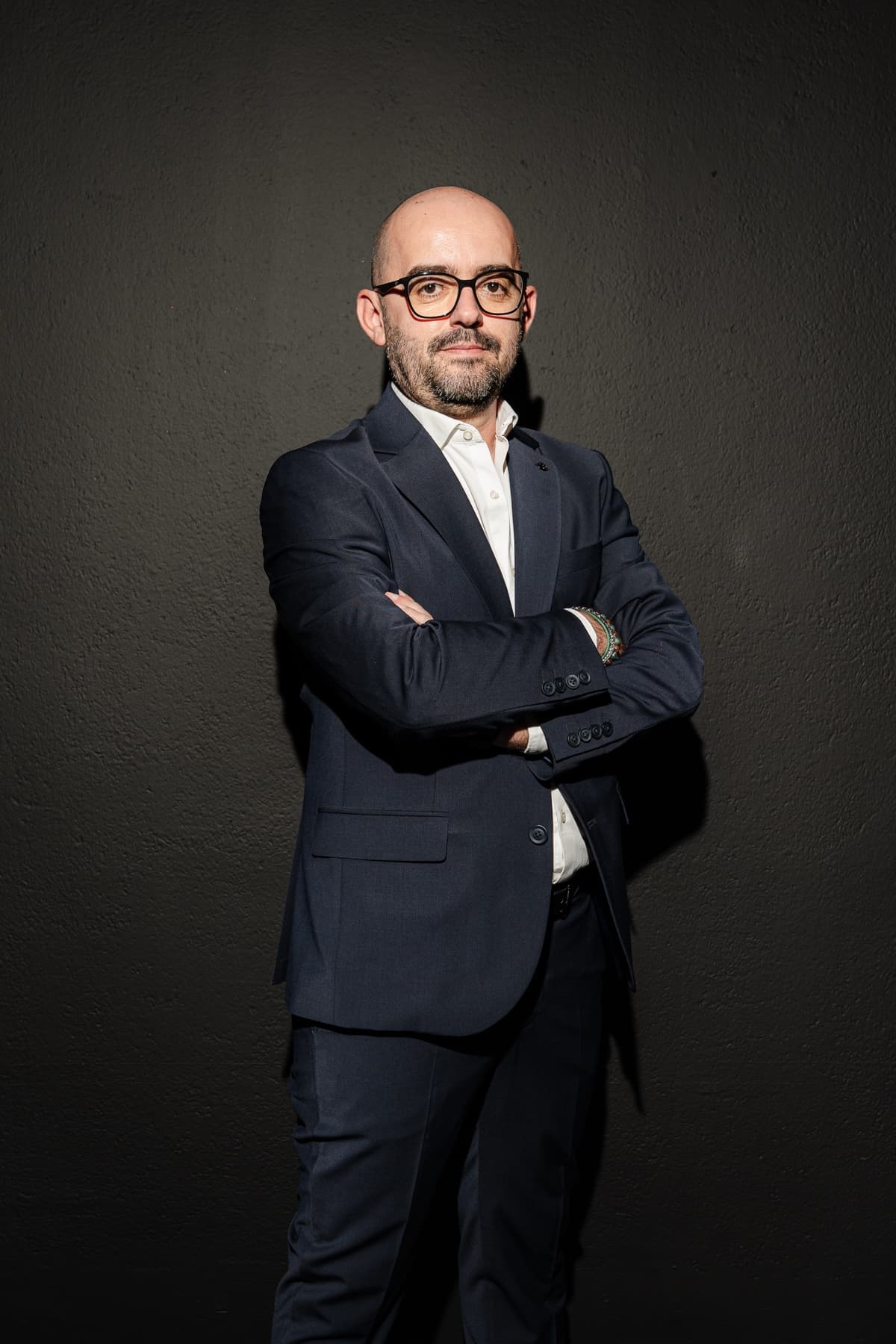
STAVRI PICI
CEO
With over 16 years in ICT, Stavri has led Armundia Factory for a decade, turning it into a key player in Albania’s tech scene through innovation, shared value, and a focus on people. He is also Coordinator and Advisor of the ICT/BPO Group at Confindustria Albania.



GIANLUCA BERGHELLA
Member of Board
With over 30 years of ICT experience in the banking, financial and insurance sectors, he is committed to fostering the harmonious digital transformation of business models and operational processes. Co-founder and CEO of the Armundia Group since 2007, he leads its global growth.

ALESSANDRO DE LEONARDIS
Member of Board
Alessandro has a long-standing experience in aligning strategic vision with cutting-edge technologies, research and development. Since Armundia’s foundation, he has been leading the design, innovation and continuous evolution of the Group’s product portfolio across its core markets.

CARLO MASSIMILIANO SPERANZA
Member of Board
Carlo has decades of expertise in international business development. Since 2015, he has been leading the Group’s global expansion and actively supports the strategic growth and international positioning of Armundia’s subsidiaries.
Governance and Data Security
One Group. One Standard
Armundia Factory operates within the governance framework, procedures, and standards defined across Armundia Group. All activities are carried out according to established policies covering confidentiality, data protection, access control, environment segregation, operational traceability, and information management.
Factory resources are an integral part of the Armundia organization. They operate under the Group’s coordination and supervision, applying the same policies, governance model, and control standards adopted across the entire organization.
Access to data and information is granted strictly according to project and contractual requirements. Where necessary, dedicated restrictions, segregated environments, role-based access controls, and operational safeguards are implemented to prevent the transfer or unauthorized availability of specific categories of data.
Factory resources are an integral part of the Armundia organization. They operate under the Group’s coordination and supervision, applying the same policies, governance model, and control standards adopted across the entire organization.
Access to data and information is granted strictly according to project and contractual requirements. Where necessary, dedicated restrictions, segregated environments, role-based access controls, and operational safeguards are implemented to prevent the transfer or unauthorized availability of specific categories of data.